Òwónrin Méjì
The Children of Hands and Feet
Òkúta ala pa máa ṣe ẹjẹ, Apandi aa la máa ṣe oyun, Dafun Ọwọ ati Ẹsẹ, Ẹbọ lá wọn ní koṣe
Whenever the stone (Òkúta) breaks it will never bleed. The broken clay pot (Apandi) will never discharge pus. These were the Babláwo who cast Ifá for Ọwọ (hand) and Ẹsẹ (foot). They both did offerings and followed the advice of the Awo.
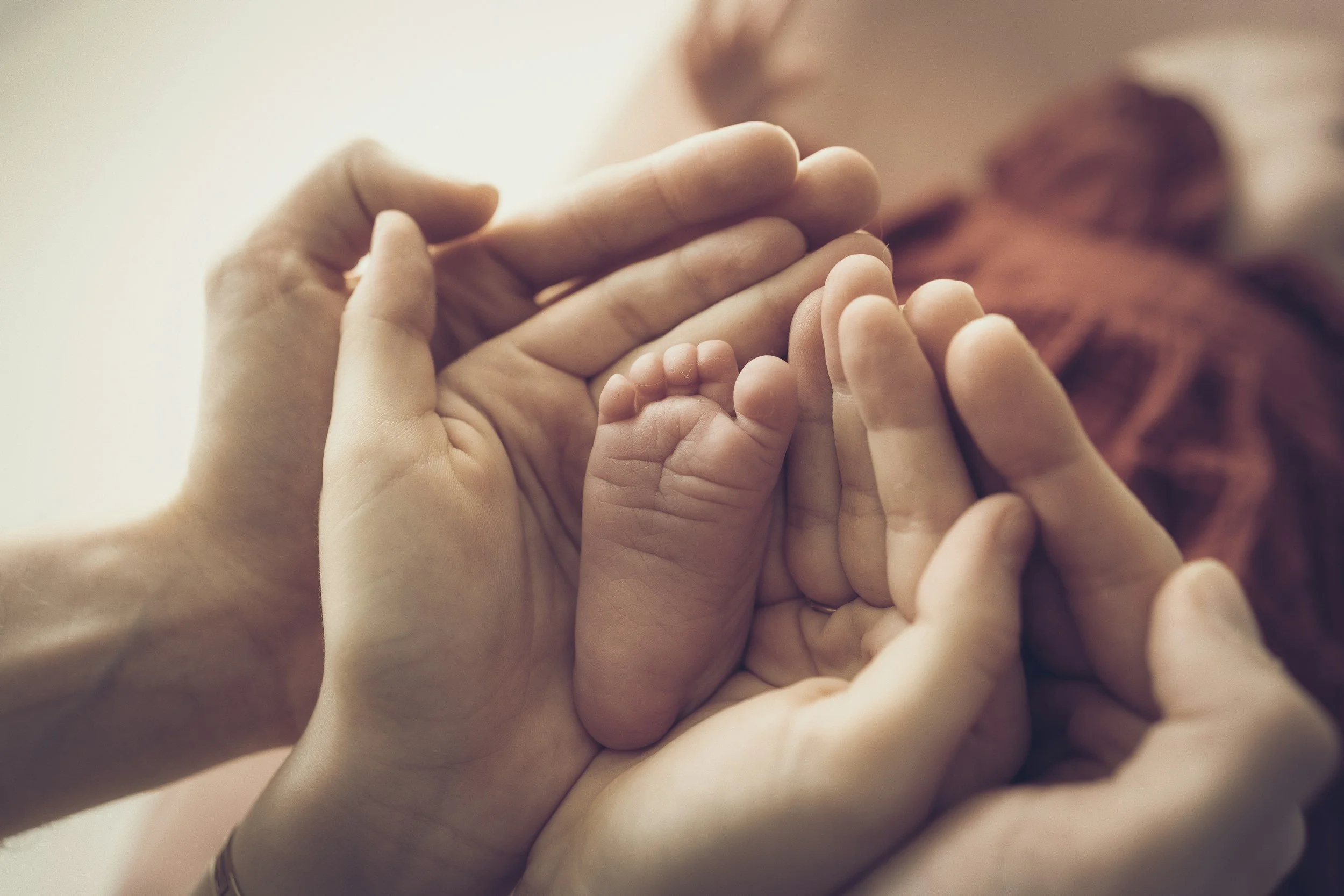
Owo and Ese were both concerned about protection, safety, and long life for their children. They were assured that if they followed the advice and did the Ebo; they would both have children. And that their children would never leave them in this world and transit back to Òrun (Spirit Realm). The children they had would never die while their “parents” were still alive. Both Owo and Ese did Ẹbọ and they both gave birth to five children each. The children of Owo never die while alive. The children of Ese will not go to Òrun prematurely while their parents remain in Ayé. The fingers and toes are the children of Owo and Ese.
The name of the Awo is a major factor in understanding the advice of Ifá and guiding clients. The names of the Olúwo in the context of each Esè speaks directly to the client and advises them metaphorically. In this case of Òwónrin Méjì, it gives strong assurances to the client that their children will never die prematurely while their parents are still alive. In this verse, Ifá uses the names of the Diviners as Àse to support the immutable fact that no stone bleeds blood and no broken clay pot will discharge pus The strength of an immutable fact is that it can not be changed and so it uses that power and invokes it upon their own children with the intention that through this power, their children will always out live them.
Àṣẹfá
Here, Ifá speaks of children but in this context children does not have to mean biological or physical children. It may indicate 'children' in the context of new relationships, partnerships, ideas, ventures, or business. When we have 'children' in this context it could mean anything we can nurture and take care of to a high degree. Expanding on this, Ifá is speaking about someone who is seeking growth and development or is in the midst of building new relationships and partnerships and is desiring for those ambitions to become fruitful and advantageous. Ifá may also be speaking about someone who is concerned with how to sustain the livelihood of ones investments, financial or otherwise. This person is concerned with their legacy in the context of being able to build and sustain something that will outlive them.
This Esè can be used as an Ìwúre (prayer) to pull the blessing of having your children in all forms out live their parents by using the Àse inherent in the Diviners names to say that, “because a stone can never bleed and a broken clay pot can never discharge pus, I demand from the Universe that no negativity will befall any of my “children” in any form whatsoever - my children will always outlive me, Àse.”
This Ese can be used to affirm what one desires to speak into existence within various situations.
Aboru Aboye.
Ifáwuyì Opéifá